On 6 August 2025, the African Leadership Academy campus hosted the Anzisha Entrepreneurship Education in Africa (EEA) Summit — a day that didn’t just celebrate young entrepreneurs, but reframed them as the blueprint for Africa’s economic future.
With 1.2 billion young people set to enter the workforce over the next decade and only 420 million jobs projected to be created, the continent stands at a critical crossroads. The message from the summit was clear: if Africa’s youth can’t find jobs, they will create them — and our role as leaders is to ensure they have the tools, capital, and trust to succeed.
“Youth entrepreneurship isn’t the backup plan, it’s the blueprint,” said Didi Onwu, Managing Editor of the Anzisha Prize, in a closing address that resonated far beyond the room. “For too long we have treated entrepreneurship as plan B… But today has reminded us that youth-led enterprise is what happens when young people take control of their futures.”
The day’s program blended high-level debate with practical insights. A standout panel, Rewriting the Rules of Work, tackled the broken pipeline between education and employment, the value of informality as innovation, and why investors remain cautious about backing very young founders. Breakout sessions with industry partners delivered hands-on solutions — from innovative financing to tech toolkits — equipping attendees to move from vision to execution.
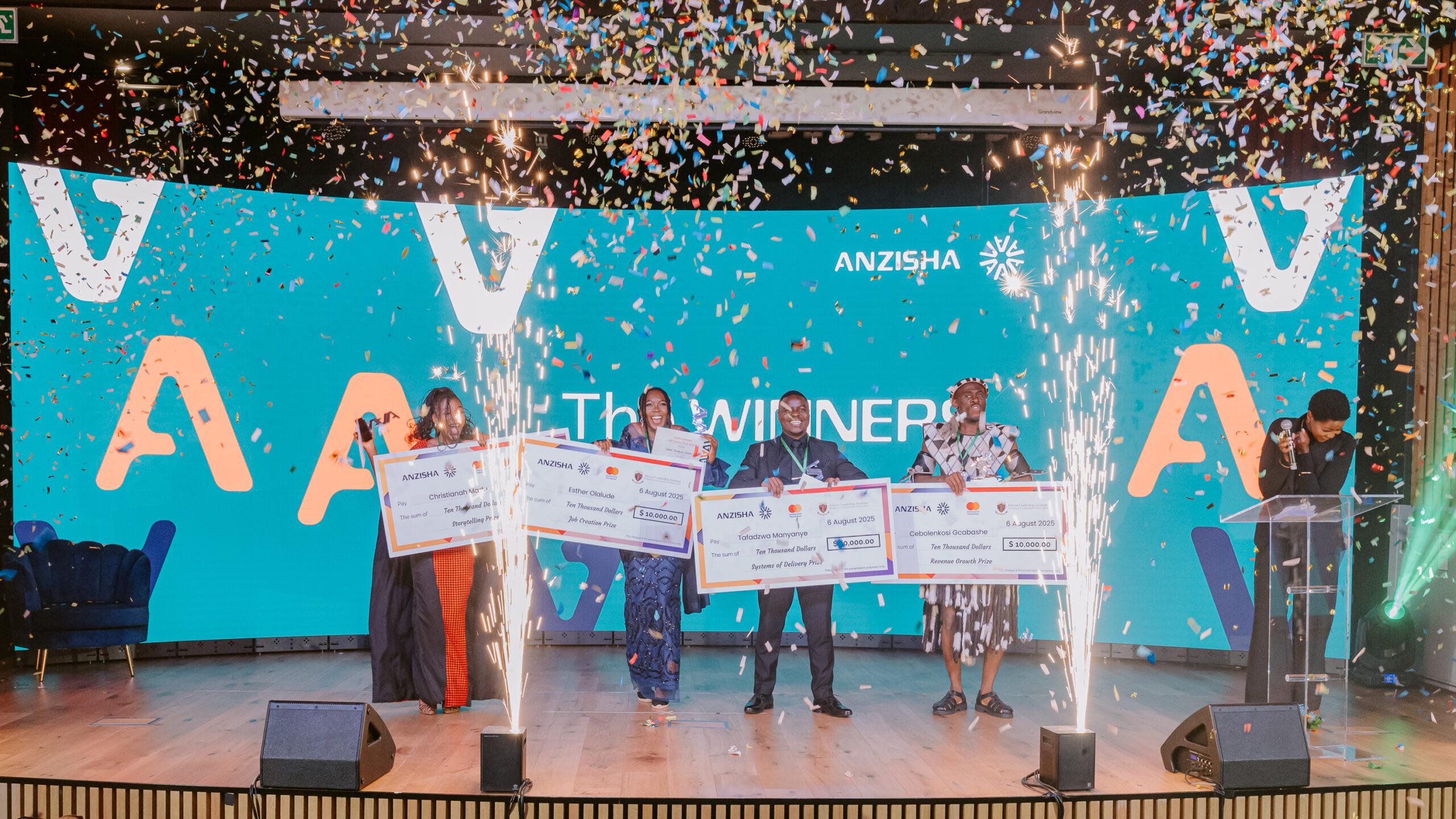
The evening culminated in the Anzisha Prize Awards Gala, honouring four young innovators making measurable impact in their communities:
- Bunmi Esther Olalude (Nigeria) — Job Creation Award for generating significant employment, particularly for women and youth.
- Cebolenkosi Gcabashe (South Africa) — Revenue Growth Award for the strongest increase in profitability.
- Tafadzwa Manyanye (Zimbabwe) — Systems of Delivery Award for building scalable, efficient operations.
- Christianah Madu (Nigeria) — Storytelling Award for elevating her venture through compelling communication.
These founders — all under 25 — are running digital schools, pioneering organic farming alternatives, designing global fashion brands, and solving health challenges. Their ventures are proof that Africa’s entrepreneurial revolution is already underway.
The Anzisha Prize has positioned itself as more than a funding body. It’s a catalyst for systemic change, driving research, advocacy, and partnerships to create an enabling environment for young founders. The Summit’s call to action to policymakers, investors, and business leaders was direct: remove barriers, unlock capital, and embed entrepreneurship education at every level.
Because the future of Africa’s economy won’t be written in boardrooms alone — it’s already being drafted in classrooms, backrooms, and community hubs by the youngest entrepreneurs this continent has ever seen.
About Post Author